You hit snooze twice, scramble to get ready, and walk out the door on an empty stomach. Sound familiar? Skipping breakfast feels like a harmless trade-off when you're running late — but nutritionists, doctors, and performance researchers all agree: it's one of the most damaging habits for your long-term health.
Here's why breakfast is non-negotiable — and what a genuinely good one looks like.
What Happens to Your Body When You Skip Breakfast
After 7–9 hours of sleep, your body is in a fasted state. Blood sugar is low. Cortisol (your stress hormone) is naturally elevated in the morning to help you wake up. If you don't eat, cortisol stays high, your blood sugar stays low, and your body shifts into stress mode — breaking down muscle tissue for energy instead of fat.
- Brain fog and poor focus — your brain runs on glucose. Without breakfast, cognitive performance drops measurably within 2 hours of waking.
- Slower metabolism — skipping breakfast signals to your body that food is scarce, causing it to slow calorie burning to conserve energy.
- Overeating later — studies consistently show that breakfast skippers consume more calories at lunch and dinner, driven by intense hunger.
- Mood and irritability — low blood sugar directly affects serotonin levels, making you more anxious and short-tempered by mid-morning.
- Muscle loss — in the absence of dietary protein in the morning, your body cannibalises muscle for amino acids.
The "I'm Not Hungry in the Morning" Myth
Many people claim they're simply not hungry when they wake up. This is often a trained response — your body has adapted to not receiving food and has suppressed hunger signals accordingly. The fix is gradual: start with something small (a banana, a handful of nuts, a small bowl of oats) and your hunger cues will reset within 1–2 weeks.
What Makes a Breakfast Actually Healthy
Not all breakfasts are equal. A plain biscuit and tea is technically breakfast, but it's a sugar spike followed by a hard crash. A genuinely healthy breakfast should have:
- Protein — eggs, paneer, sprouts, Greek yoghurt, or dal. Protein slows digestion, keeps you full, and protects muscle mass.
- Complex carbohydrates — oats, whole grain bread, poha, or millets. These release energy slowly, preventing blood sugar spikes.
- Healthy fats — a small amount of ghee, nuts, or seeds supports brain function and hormone balance.
- Fibre — fruits, vegetables, or whole grains. Fibre feeds gut bacteria and keeps digestion smooth.
Indian Breakfasts That Actually Deliver
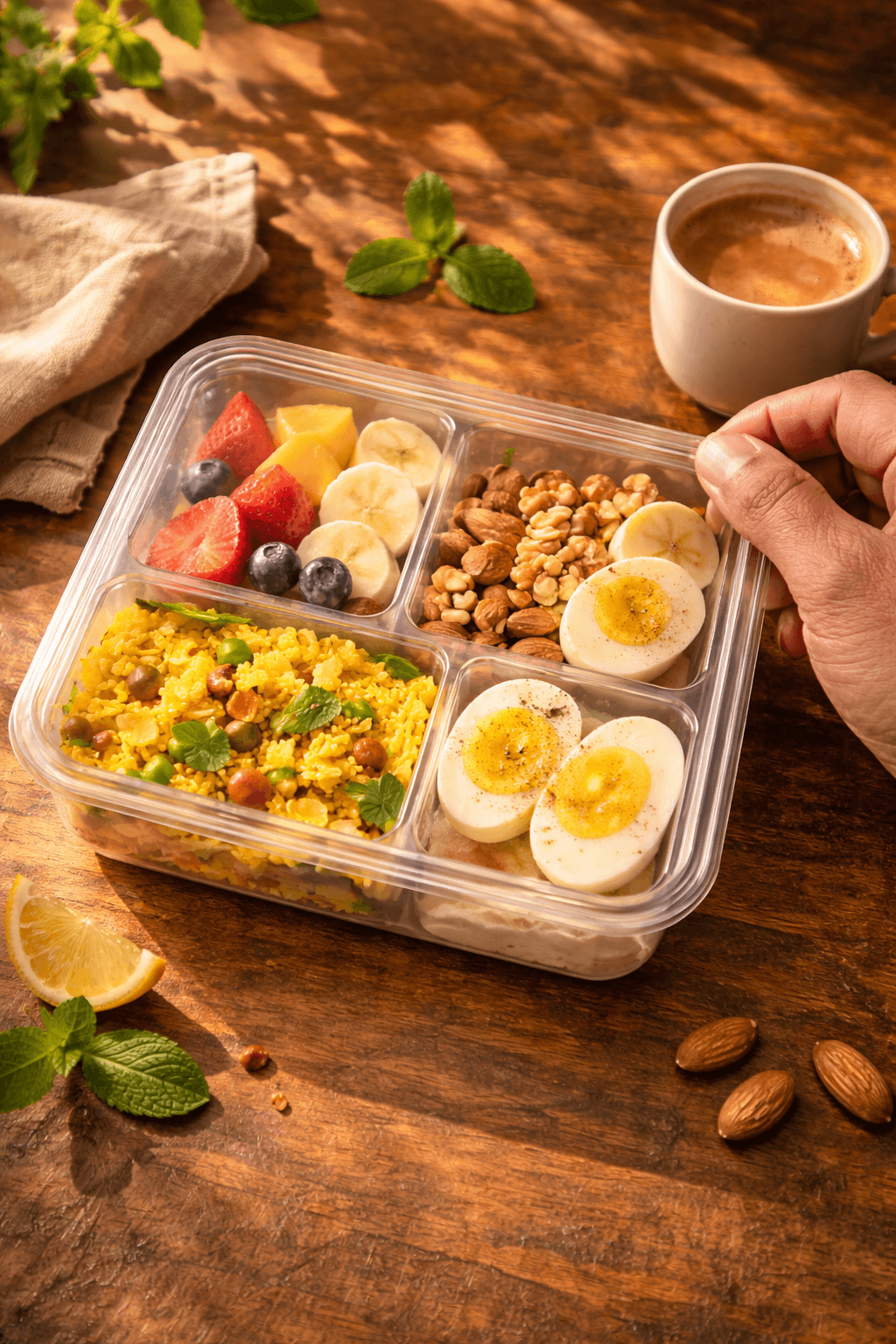
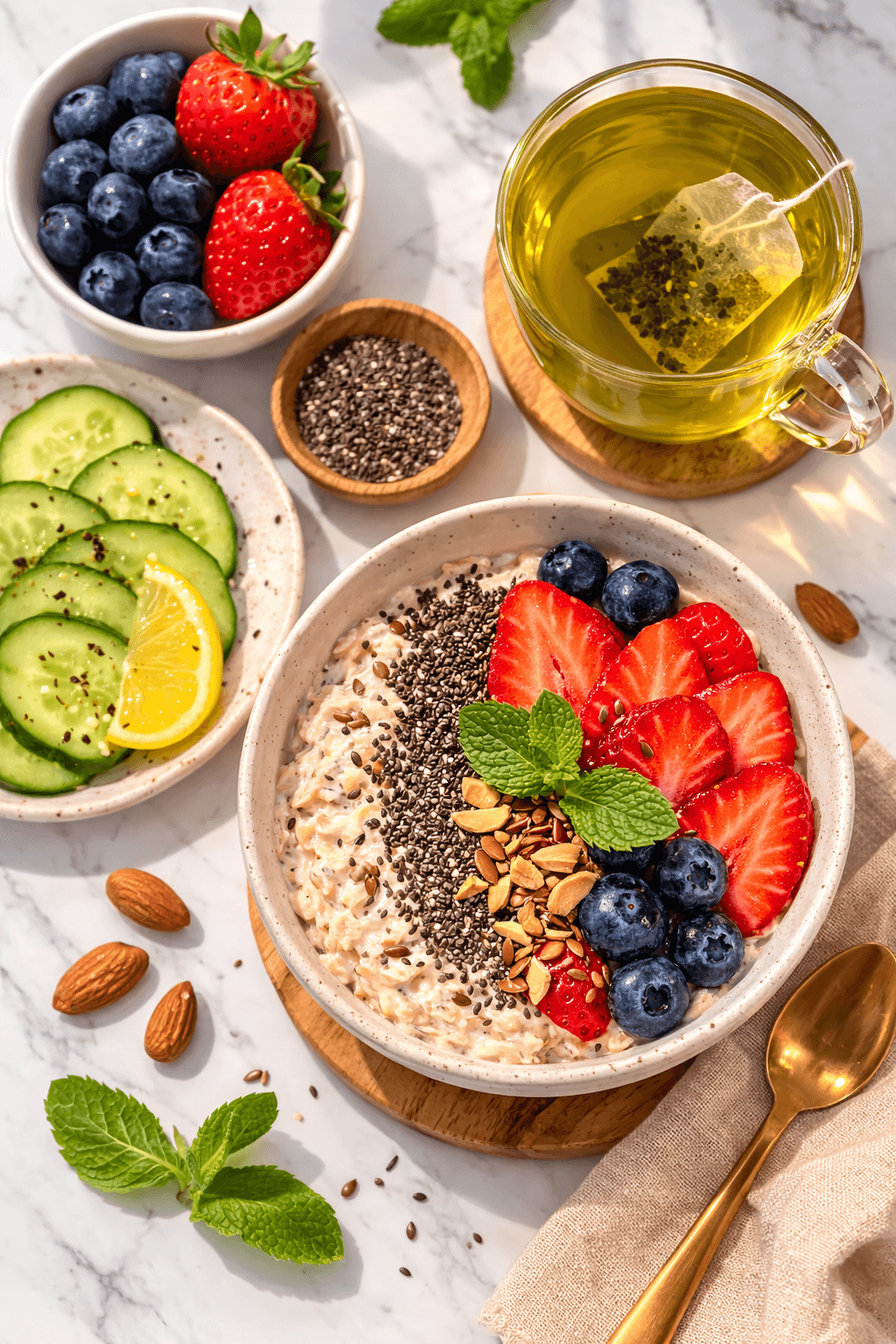
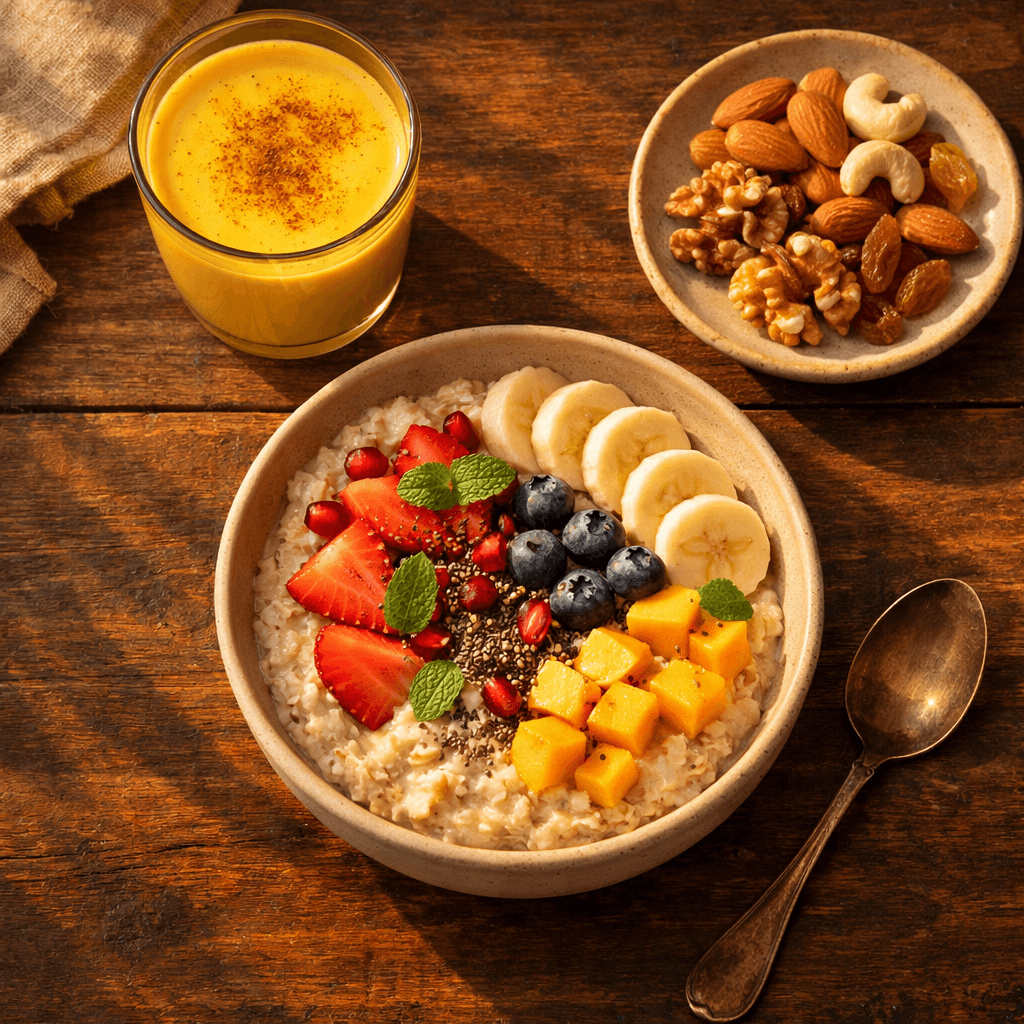
The good news: Indian cuisine has some of the world's best breakfast options. Poha with peanuts, idli-sambar with vegetables, upma with dal, moong dal chilla, or oats with fruits and seeds — these are all nutritionally complete meals that have sustained Indian households for centuries.
The problem isn't the food — it's the time and effort it takes to prepare it fresh every morning. That's exactly the gap that a breakfast subscription is designed to fill.
The Bottom Line
Skipping breakfast is not a habit you can sustain without cost. The trade-off isn't worth it — you lose focus, energy, metabolic efficiency, and muscle over time. The solution isn't forcing yourself to cook a 5-course meal at 7am. It's having a ready, nutritious breakfast waiting for you so there's no reason to skip it.
Ready to make breakfast effortless?
Morning Nutriz delivers a fresh, nutritionist-curated breakfast to your door every morning in Bangalore.
View Plans →